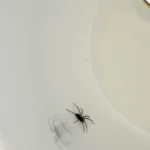

As outdoor temperatures decline and most insect activity slows, many homeowners in St. Louis begin spotting spiders inside more often. While it can feel alarming, winter spider sightings are usually caused by spiders looking for prey. When insects outside disappear or go dormant, spiders look for environments where food remains available. Homes provide warmth and a steady supply of insects, making them the perfect hunting grounds once winter arrives.
Indoor pests such as fungus gnats, cluster flies, and small beetles often move inside seeking shelter, and spiders quickly follow.
Seasonal mating behavior also plays a role. Many house spiders are more mobile in late fall and winter as they search for mates, increasing the chances of encounters with homeowners.
Where Spiders Spend Cold Months
Most spiders found indoors during winter aren’t new pests wandering in from outside. In many cases, they’ve been living quietly within wall voids, basements, or storage areas all along. Winter causes increased movement, making them easier to spot.
Spiders that remain outdoors rely on natural protection. Some burrow below the frost, while others hide beneath bark, rocks, or debris. Web-building species often take shelter in areas like stacked firewood, sheds, crawl spaces, or behind siding. Certain spiders even create insulated silk cocoons that protect them from harsh weather.
Do Lower Temperatures Drive Spiders Indoors?
Sometimes, but not always. While some spiders do enter homes to avoid freezing conditions, many species are surprisingly well-equipped to survive winter outdoors.
Some spiders produce internal compounds that function like antifreeze, preventing cell damage in cold temperatures. Others avoid exposure by sheltering in areas where temperatures remain stable, such as underground or beneath natural coverings like leaf litter.
Do Spiders Hibernate in Winter?
Spiders don’t technically hibernate, but they do enter a low-activity phase known as diapause. During this period, spiders slow their metabolism, keep their movements to a minimum, and stop feeding almost entirely.
In milder climates, diapause may last only a short time. But in colder regions, spiders can remain inactive for several months, typically from late fall into early spring.
Environmental changes like shorter daylight hours and cooler temperatures signal spiders to seek protection, sometimes inside homes, but often outdoors in sheltered spaces.
What Do Spiders Eat When It’s Cold?
Indoor spiders will eat whatever insects are present inside the home. This may include fruit flies near sinks, moths in storage areas, or other small insects that remain active year-round.
Spiders that stay outside eat very little during winter. On warmer days, they may be able to capture occasional prey, but most depend on energy that they’ve accumulated and stored earlier in the year.
How to Limit Spider Activity During Winter
Reducing spiders indoors requires addressing both spiders and the insects that attract them:
- Control moisture by repairing leaks and using dehumidifiers, especially in basements and crawl spaces. Insects and spiders are both attracted to moisture.
- Limit nighttime exterior lighting near doors and windows to reduce insect activity near entry points.
- Vacuum regularly, focusing on corners, window frames, baseboards, and storage areas.
- Use scent deterrents that spiders try to avoid, like peppermint or citrus, around known problem spots.
- Hire professional spider control services for targeted treatment and long-term prevention.
Winter Spider Control Services in St. Louis
If spiders continue bothering you despite your preventive efforts, professional pest control can help. Trained technicians understand spider behavior and use proven methods to reduce current activity, while preventing future infestations.
Reach out to Bug Out today to request a quote and take the first step toward a peaceful home this winter.