
Key Takeaways:
- Food processing plants must stay pest-free at all times. If pests are found during an inspection, agencies like the FDA or USDA can shut down your operations right away.
- Catching warning signs early (like droppings, strange smells, or damage) makes it much easier to handle the problem before it gets out of control.
- Knowing which pest you’re dealing with helps you choose the right treatment plan instead of guessing.
- Training your team and working with pest control professionals helps you find and fix the weak spots in your building that attract pests.
Listen to Our Podcast Below for All the Information
Do you prefer to listen? This podcast covers everything our article does!
Ways to Spot Pest Activity in Your Food Processing Plant
Are you worried about pests invading your food processing facility? You have good reason to be concerned. Pests can spread harmful bacteria, ruin products, damage equipment, and bring your entire operation to a halt.
Food processing plants are like magnets for pests because they provide everything these creatures need: food, water, and places to hide and multiply.
Here’s what you need to know about spotting a pest problem. When you or your team see any of these warning signs, it’s time to take action:
- Pest droppings anywhere in the facility
- Chew marks on boxes, building materials, or electrical wires
- Nests built from torn paper, cloth, or insulation
- Strange or musty smells that won’t go away
- Food packages that have been opened or damaged
- Oily streaks or dark marks running along walls and baseboards
- Any insects or rodents, alive or dead
- Wings that have been shed or outer shells left behind
- Openings or tunnels in floors, walls, or the ground outside
- Scratching or running sounds coming from inside walls or above ceilings
- Piles of what looks like fine sawdust
- Tiny footprints or trails in dusty spots
Which Pests Have Infested Your Facility?
Teaching your staff what to look for is one of the smartest ways to catch pest problems early. When someone spots a warning sign, don’t wait, deal with it quickly. Pest problems are always simpler to fix when you catch them early.
The signs above tell you that pests are present, but they don’t always tell you which pest you’re dealing with. Let’s look at the most common culprits in food processing plants and how to identify each one:
Pantry Pests (Moths, Weevils, and Beetles)
These insects love to get into dry goods like flour, grains, cereal, dried fruit, nuts, and spices. Common types include Indianmeal moths, rice weevils, and sawtoothed grain beetles.
Watch for these clues:
- Bugs in Your Products: Live or dead insects, worms, or cocoons inside food packages or bulk supplies
- Tiny Holes in Packaging: Small, pinhole-sized openings in bags, boxes, or wrappers where pests chewed through
- Powdery Residue: Fine dust from chewing activity, usually found at the bottom of containers or on shelves
- Silky Threads: Web-like material on products, boxes, under shelving, or in corners near food storage
Mice, Rats, and Wildlife
Rodents and wildlife like raccoons, opossums, and squirrels create serious problems in food plants. They can contaminate large amounts of food, cause property damage, and carry disease-spreading parasites.
Here’s how to spot them:
- Droppings: Size tells you what you’re dealing with. Mouse droppings look like small grains of rice. Rat droppings are bigger and shaped like pellets (about ½” to ¾” long). Raccoons and opossums leave even larger waste.
- Chewing Damage: Look for damage to furniture, building parts, and equipment
- Travel Routes: Visible paths, smears, or worn grooves showing where animals move regularly
- Greasy Stains: Dark, oily marks on walls or floors where rodents travel often
- Strange Noises: Scratching or scurrying sounds from inside walls or ceilings
- Disturbed Trash: Garbage cans that have been knocked over or dug through
General Insect Signs
Sometimes you’ll notice clues that point to insects, but you won’t know exactly which kind until you investigate further.
Keep watching if you see:
- Damaged Packaging: Holes or tears in food containers (this could be from rodents or different types of insects)
- Shed Body Parts: Old skins or shells on floors, shelves, or windowsills
- Loose Wings: Could mean termites or ants are present
- Contaminated Food Areas: Infested items found in break rooms or kitchens
- Unusual Smells: Sharp or musty odors (often linked to cockroaches or certain ant species)
- Eggs or Larvae: Any signs of insect young found in the facility
Wood-Destroying Bugs (Termites, Carpenter Ants, Beetles)
These pests attack the wooden parts of your building and can weaken its structure over time. Termites get the most attention, but carpenter ants and powderpost beetles cause plenty of damage too.
Signs may be hard to notice at first, but watch for:
- Piles of Wings: Small, clear wings collected near windows or lights are often the first sign of termites swarming
- Wood Dust (Frass): Fine, powdery material that looks like sawdust near wooden structures are a clear sign of termites or powderpost beetles
- Weakened Wood: Wood that sounds hollow when you tap it, or that looks cracked, splintered, or discolored
- Tunnels in Wood: Carved pathways visible when you look at damaged wood sections (could indicate carpenter ants or termites)
Spiders
Spiders don’t contaminate food directly like other pests do. They’re hunters, not scavengers. But finding lots of spiders usually means you have a bigger problem: too many other insects for them to feed on.
Look for:
- Webs: Spider webs near windows, light fixtures, and doorways (This also suggests you have other insects around that the spiders are eating)
Birds
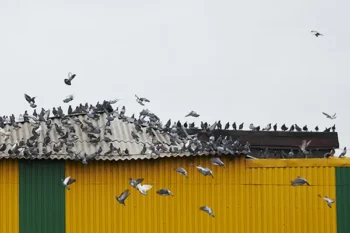
Pigeons, sparrows, and starlings often hang around food processing plants. Their droppings can contaminate ingredients, finished products, equipment, and work areas. Bird nests can also clog ventilation systems and attract other pests like mites.
Signs of bird problems include:
- Droppings: White, chalky waste that builds up on ledges, windowsills, equipment, or the ground beneath roosting areas
- Nesting Supplies: Twigs, straw, and other materials gathered in eaves, on rooftops, near vents, or inside the building
- Feathers: Loose feathers scattered around entry points or roosting spots
- Physical Damage: Harm to insulation, lights, or machinery from pecking or nest-building
- Noise: Ongoing cooing, chirping, or wing-flapping sounds, especially in the morning or evening
Will Pests Force Your Facility to Close?
Absolutely, yes. A pest infestation that goes unchecked puts everyone at risk. Customers could eat contaminated food, and workers face unsafe conditions around damaged equipment.
On top of the health risks, inspection agencies won’t hesitate to shut down your plant if they discover pests. The results can be devastating for your operations and your finances.
We’ll Keep Your Food Processing Plant Protected
When it comes to food processing, you need a pest control partner who takes a proactive approach. They should focus on prevention rather than just reacting to problems after they happen.
Bug Out technicians understand federal food manufacturing rules, local health codes, and food safety requirements. Our commercial pest management team knows how important it is to stay compliant with agencies like the FDA and USDA.
We don’t just treat pest problems, we find the conditions in your facility that attract pests in the first place and recommend the fixes needed to keep your plant secure. Our experts identify structural weaknesses and sanitation issues that put you at higher risk.
Stay alert for early warning signs, and when you need professional help, contact Bug Out today for a free on-site inspection.