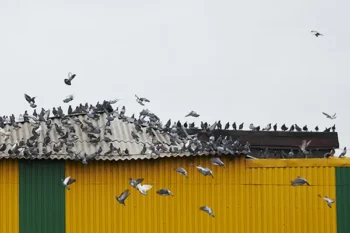

A small bump or gentle scratch can make you stop and listen, and many in St. Louis are surprised by how regularly it happens. You may catch yourself wondering whether it’s harmless settling or something moving where you can’t see. These brief moments of uncertainty occur more often than you think.
Wildlife and pests tend to reveal themselves through faint sounds. Raccoons, squirrels, birds, and mice each create different noises as they move, and their activity changes throughout the day.
This guide from Bug Out helps you read those clues. Paying attention to when the noise happens and where it seems to come from makes identifying the cause much easier. Once the pattern is clear, choosing how to respond becomes straightforward.
What Are Those Odd Sounds Trying to Tell You?
When something sounds out of place, start by zeroing in on the basics. Pay attention to how the noise acts, where it seems to come from, and how regularly it repeats. These simple observations can offer more insight than you might expect and help reduce confusion. Giving yourself a moment to tune in often makes the situation clearer.
Small signs can reveal a lot. A tiny thump or light scrape may direct your attention to the source before you know it. Noticing whether the sound shifts or increases in intensity gives you helpful context that sharpens your understanding. Each detail works together to reveal what’s really happening.
Frequent Noises That Come From Within Your Walls
The walls of a home often provide shelter for everything from insects and mice to larger animals such as raccoons. When bigger creatures move through narrow gaps, they tend to knock into objects or scrape along surfaces, making noises you can clearly hear. These are the sounds people most often notice coming from behind their walls:
- Gnawing or Grinding in Walls
Rodents constantly nibble on items such as wood, plastic, and electrical wiring to wear down their teeth. These gnawing sounds often repeat and are most active at night or in the early morning. Common offenders include:- Mice and Rats: Nocturnal by nature, mice quietly search for food, and rats move or chew in hidden areas after nightfall.
- Squirrels: During the day, squirrels make noticeable noises while running through wall cavities or confined spaces.
- Heavy Dragging Sounds in the Walls
When you notice a slow shuffling or dragging noise coming from above or below, it is often a sign of a larger animal inside the home. These movements differ from the quick, restless sounds of squirrels and seem more controlled. Animals commonly responsible include:
- Thumps on the Roof
Overhead thumps of any volume often point to animals crossing your roof. Wildlife regularly uses rooftops as pathways during their search for food or protection. The culprits that may be responsible include:- Squirrels: Expect quick scampering and the soft sound of nuts rolling or dropping, usually during daylight. Their light movements are much different from those of larger animals.
- Cats: Light, rapid footsteps often occur overnight or in the early morning and evening, along with an occasional meow or purr near possible openings.
- Raccoons: Strong thumps and heavy, purposeful steps are typically heard at night, and their weight makes their presence more noticeable.
- Tree Branches: Scraping or tapping branches can sound like animals on the roof, particularly when it’s windy, making them a frequent non-pest cause of noise.
- Bumps in Your Attic or Crashes in the Garage
Many larger animals slip into garages and attics when they’re searching for shelter or a place to look for food. Because these areas are open and not well insulated, their movements tend to sound much louder. Examples include:- Birds: Birds that find themselves trapped may flap wildly and collide with objects, producing chaotic sounds as they struggle to escape.
- Mice and Rats: Fast and nimble, these rodents create loud clatters when they scurry around or accidentally knock over small items.
- Raccoons: Nocturnal by nature, raccoons frequently tip over tools or containers, and their larger bodies make the noise hard to miss.
- Opossums: Their clumsy movement often results in bumps and overturned items as they search for food in dark, cluttered areas.
- Rustling in Vents or Chimneys
Unexpected flapping, fluttering, or rustling usually signals birds or bats stuck inside your home. Vents and chimneys are frequent sources of these sounds. Potential culprits include:
- A Buzzing or Humming in the Walls
If you hear a continuous buzzing or humming, it often points to stinging insects. The sound is created by countless wings moving quickly and is most noticeable on warm, sunny days. Insects responsible for these sounds include:
- Ticking or Clicking Inside Walls
Ongoing, gentle clicking or ticking within wall spaces often points to wood-destroying insects. These noises usually happen in spurts, making evenings and nights the ideal time to notice them. Possible culprits include:- Termites: Continuous, faint clicking or tapping sounds within walls often indicate termites feeding on wooden structures.
- Carpenter Ants: Irregular, soft ticking or rustling from beams or wood often signals carpenter ants in action.
- Scratches in Walls
The noise of scratching can make anyone uneasy, yet observing where it occurs and how it moves can reveal the cause. Does it linger in one area or travel? The usual offenders are:- Raccoons: Slow, deliberate scratching and heavy thuds at night are signs of raccoons moving through walls or ceilings.
- Mice and Rats: Small, fast movements and occasional chewing or scurrying after dark often indicate mice or rats.
- Squirrels: Daytime bursts of rapid scratching usually point to squirrels traveling through walls or attic spaces.
- Carpenter Ants: Light tapping or subtle rustling from wood structures may signal the activity of carpenter ants.
Strange Sounds in Your Home? Bug Out Will Identify the Culprit
From gentle rustling to heavy thumping, sounds inside walls can make anyone uneasy. A detailed inspection allows us to determine which animal is responsible. Early detection helps minimize both damage and stress. Wildlife activity in St. Louis tends to rise seasonally, and our exclusion services help prevent repeat intrusions.
Take control now! Call Bug Out to defend your home against animals and pests.