
Key Takeaways
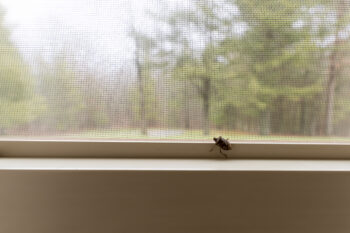
- Six pests to watch for this fall include: Asian Lady beetles, stink bugs, termites, wasps, rodents, and armyworms.
- Prevention is essential, so seal entry points, eliminate food sources, and reduce clutter before temperatures drop.
- Hidden invaders cause the most damage. Pests nesting in walls, attics, and foundations threaten both your property and your family’s health.
- Early action saves money, and professional preventive treatments are far more effective (and affordable) than dealing with an established infestation.
As autumn leaves begin to fall and temperatures drop across St. Louis, pests start searching for warm, sheltered spots to escape the coming cold. Your home is their top destination. Fall pest activity spikes for a reason: insects and rodents can sense seasonal changes and instinctively seek out food, warmth, and protection.
The most common autumn invaders in St. Louis include: Asian Lady beetles, stink bugs, termites, wasps, mice and rats, and armyworms.
Whether you’re a brand-new homeowner or you’ve lived in the St. Louis area for years, the last thing you want is unwelcome critters making themselves comfortable in your living space.
Jump to Pests
Listen to Find Out More About Fall Pests
Our podcast hosts discuss these pests and how to prevent infestation during the Fall. Check out our video too!
6 Pests to Look Out For in St. Louis
Asian Lady Beetles
Spot an oversized ladybug indoors? You’re likely dealing with an Asian Lady beetle. These imposing cousins of the familiar garden ladybug often lack the classic spots and travel in large groups. When one discovers a cozy spot in your home, it releases chemical signals that attract dozens more.
Why they’re a problem:
- When threatened, they secrete a pungent yellowish fluid that leaves stubborn stains on carpets, curtains, and painted surfaces.
- Some residents may develop allergic symptoms, including breathing difficulties, itchy eyes, or skin irritation.
- Though uncommon, these beetles can deliver small, irritating bites.
Prevention tip:
Inspect and seal cracks around windows, doors, and siding before temperatures drop. Once Asian Lady beetles establish themselves indoors, these persistent pests require professional beetle removal for complete elimination.
Stink Bugs
Stink bugs are shield-shaped insects that measure up to ⅜ inch and display a marbled pattern of browns and grays that helps them blend into their surroundings. When disturbed, they release their signature foul-smelling defense mechanism. It’s an odor that proves especially overwhelming in confined areas and can persist long after the bug is removed.
Why they’re a problem:
- Their defensive odor is difficult to eliminate from indoor spaces.
- They feed on and damage indoor plants.
- When they die in hidden locations like wall voids and attics, their carcasses attract secondary pests such as carpet beetles.
Prevention tip:
Stink bugs prefer undisturbed areas, making them difficult to locate without professional help. Expert treatment ensures thorough removal from all hiding spots.
Termites
Among all household pests, termites cause the most significant structural damage, costing Americans billions of dollars annually. During colder months, Eastern subterranean termites (St. Louis‘s primary species) retreat deeper underground while continuing their destructive activities within already-infested homes.
Why they’re a problem:
- These relentless insects operate round-the-clock, consuming wooden structures, drywall, and any material containing cellulose.
- Their damage often goes unnoticed until extensive destruction has occurred.
- Infestations can compromise your home’s structural integrity, from foundation elements to load-bearing walls.
Warning signs to watch for:
- Paint that appears bubbled or uneven
- Wood that sounds hollow when tapped
- Tiny exit holes in drywall or wood surfaces
Wasps
While worker wasps perish with freezing temperatures, fertilized queens search for protected sites to spend the winter. These survivors often choose secluded spots like attic spaces, wall voids, or unused structures around your property.
Why they’re a problem:
- Having wasps establish themselves in your home creates dangerous situations, particularly for family members with allergies.
- Their aggressive nature when threatened makes removal especially risky for untrained individuals.
Prevention tip:
Proper screening of vents and regular inspections help prevent wasp queens from entering your home. If you suspect wasp activity, contact a wasp professional rather than attempting removal yourself.
Rodents (Mice & Rats)
Rodents are nimble climbers that can access homes through surprisingly small openings. Their acrobatic abilities allow them to scale walls, squeeze through gaps, and establish nests in warm, secluded spaces like attics and wall cavities.
Why they’re a problem:
- Their waste contaminates surfaces and food, potentially spreading dangerous diseases including Hantavirus and Salmonella.
- Constant gnawing damages stored items and structural elements.
- Chewed electrical wiring creates significant fire hazards.
- Destroyed insulation reduces your home’s energy efficiency.
Warning signs:
Fortunately, rodents rarely remain hidden for long. Scratching sounds in walls or ceilings (especially at night) indicate their presence. Droppings, gnaw marks, and greasy rub marks along baseboards are also telltale signs. At the first sign of activity, contact Bug Out for comprehensive rodent control solutions.
Armyworms
While armyworms won’t invade your home’s interior, these voracious caterpillars deserve attention for their ability to devastate St. Louis lawns. Most active during early autumn, these pests move across turf in military-like formations, stripping grass down to bare soil.
Why they’re a problem:
- A healthy lawn can transform into a brown wasteland within days of an armyworm invasion.
- Extensive damage requires costly reseeding or re-sodding to restore your property’s curb appeal.
Prevention tip:
Monitor your lawn closely in early fall and contact a pest control professional at the first sign of damage or caterpillar activity.
How to Protect Your Home From Autumn Pests
Prevention is your strongest defense against fall pest invasions. Once pests establish themselves, removal becomes significantly more challenging and expensive. Implement these protective measures before cold weather drives pests indoors:
- Begin with thorough exterior maintenance. Apply weather-resistant caulk to gaps around utility lines, windows, and doorframes.
- Install quality door sweeps and repair damaged window screens.
- Maintain a clear perimeter by trimming shrubs away from your home’s foundation and storing wood piles at a minimum 20-foot distance.
- Secure all food in sealed containers.
- Minimize storage clutter in basements and attics.
- Address any water leaks or humidity issues promptly.
- Vacuum regularly to eliminate any pests that slip through your defenses.
- Most importantly, schedule professional preventive treatments before pest season begins. Early intervention identifies vulnerabilities and establishes protective barriers against invasion.
Professional Pest Protection You Can Trust
When autumn pests threaten your St. Louis home, Bug Out stands ready with comprehensive pest control solutions. For over 60 years, we’ve protected St. Louis families from unwanted invaders with proven methods and exceptional service.
So don’t wait for pests to settle in! Contact us today for your free consultation and keep your home secure all season long.


