

Across Missouri and Illinois, the sounds could be caused by a wide range of animals – from rats and mice to birds and to raccoons and opossums – or even small pests like ants and termites.
This guide is designed to help you decode the mysterious sounds you may be hearing in your home. The next time you hear it, turn other noises down and listen carefully. Paying attention to when the noise happens and where it originates makes identifying the culprit much easier, allowing you to address the issue before structural damage occurs.
Key Takeaways:
- Faint home noises like gnawing, scratching, or thumping are often distinct indicators of specific pests or wildlife invading your walls, roof, or vents.
- Identifying the time of day a sound occurs and where it is located makes pinpointing the exact animal or insect straightforward.
- Midwest seasonal temperature shifts heavily influence when raccoons, rodents, birds, and stinging insects seek shelter inside homes.
- Ignoring these subtle warning sounds can quickly lead to severe structural damage, chewed wiring, or expanding pest colonies.
- Professional inspection and targeted exclusion services ensure the intruder is safely identified and permanently prevented from returning.
Wildlife and pests across Missouri and Southern Illinois rarely stay hidden for long, relying on faint, telltale sounds as they navigate wall voids, rooflines, and attics. Because their activity shifts based on the time of day and seasonal temperature swings, learning to decode these subtle noises is the fastest way to pinpoint the intruder before costly structural damage occurs.
What Kind of Sound Are You Hearing? Jump to a Section:
- Scratching or Gnawing in Walls
- Overhead Thumping
- Garage Rummaging or Crashing
- Fluttering or Rustling
- Buzzing or Humming
- Clicking or Ticking
What Is Making Scratching or Gnawing Noises Inside Your Walls?
Wall cavities act as echo chambers, amplifying faint activity into loud scrapes, chews, and thuds. To identify the pest behind your drywall, pay close attention to the time of day the sounds occur: diurnal wildlife like squirrels move during daylight, while nocturnal rodents and raccoons become active after dark.
| Suspected Animal | Noise Type | Active Hours | Primary Location | Signature Sound & Behavior |
| Mice & Rats | Gnawing & Grinding
Scratching |
Night / Early Morning | Lower walls, floorboards | Steady chewing on wood/drywall; light, rapid clawing paired with quick scurrying |
| Squirrels | Gnawing & Grinding
Scratching |
Daylight | Wall voids, upper walls, attic panels | Rapid chewing on framing; sudden, high-energy bursts of frantic scratching |
| Raccoons | Dragging & Shuffling
Scratching |
Night | Wall/ceiling voids, attics | Heavy thuds, deliberate dragging, slow and forceful clawing/deep tearing |
| Opossums | Dragging & Shuffling | Night | Attic floors, low wall cavities | Measured, heavy thumps and low, slow scraping movements |
Heavy Thumps on the Ceiling? How to Identify Roof and Attic Intruders
Overhead activity usually means an intruder has breached your roofline, soffits, or chimney. The key differentiator here is weight and movement style—light, fast scampering across ceiling drywall typically indicates squirrels or mice, whereas heavy, slow, deliberate thuds point to larger animals like raccoons.
| Suspected Source | Noise Type | Active Hours | Primary Location | Signature Sound & Behavior |
| Squirrels | Scampering & Rolling | Daylight | Ceiling drywall, attic spaces | Fast, nimble running with quick directional shifts; faint rolling sound of stored acorns or walnuts |
| Raccoons | Thumping & Footsteps | Night (Dusk to Dawn) | Overhead ceilings, roofline | Strong, heavy thuds accompanied by slow, deliberate footsteps |
| Tree Branches | Scraping & Tapping | Windy Conditions | Roofline, shingles | Rhythmic scraping or tapping caused by wind moving overhanging limbs against the roof |
Loud Crashes or Rummaging in Your Garage or Attic?
Uninsulated spaces like garages, pole barns, and attics magnify impact sounds, making routine animal movements sound severe. Look for patterns in what gets disturbed: trapped birds create frantic, chaotic flapping, while heavier mammals like raccoons and opossums routinely knock over stored containers and tools.
| Suspected Source | Noise Type | Active Hours | Primary Location | Signature Sound & Behavior |
| Birds | Flapping & Collisions | Anytime (when trapped) | Structural framing, vent pipes, storage boxes | Wild, chaotic wing-flapping and repeated crashing against surfaces in an attempt to escape |
| Mice & Rats | Scurrying & Clattering | Night / Early Morning | Floorboards, stored belongings | Fast, nimble movements that knock over small items or create sudden, sharp clattering |
| Raccoons & Opossums | Tipping, Rummaging & Crashes | Night | Garage floors, overhead storage, attics | Heavy tipping noises, loud rummaging through stored containers, and large overhead crashes |
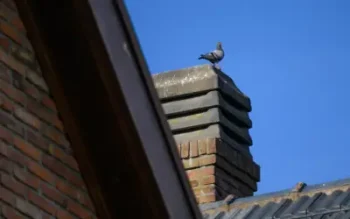
Hearing Fluttering or Rustling in Your Chimneys or Vents?
Metal flue pipes and vinyl exhaust vents create distinct acoustic reverberations when animals get trapped or attempt to nest. Listen for movement patterns—rapid, frantic wing-flapping against smooth surfaces usually signals trapped birds, whereas light fluttering combined with high-pitched squeaking indicates roosting bats.
| Suspected Source | Noise Type | Active Hours | Primary Location | Signature Sound & Behavior |
| Birds | Fluttering & Scratching | Daylight / Twilight | Metal flue pipes, vinyl exhaust vents | Frequent, frantic wing-flapping paired with light scratching against smooth vent surfaces |
| Bats | Fluttering & Squeaking | Night / Dusk & Dawn | Chimney flues, attic gable vents | Light, rapid wing-fluttering combined with high-pitched squeaking in dark, enclosed spaces |
Why Is There a Continuous Buzzing or Humming in Your Walls?
Persistent humming or vibrating inside wall voids or soffits almost always points to active stinging insects rather than wildlife. Pay attention to temperature and tone: aggressive, sharp buzzing that peaks during hot afternoon daylight indicates yellowjackets or hornets, while a steady, low, continuous vibration signals a honeybee colony cooling its hive.
| Suspected Source | Noise Type | Active Hours | Primary Location | Signature Sound & Behavior |
| Wasps & Hornets | Humming / Buzzing | Peak Daylight | Wall voids, soffits, eaves | Sharp, aggressive, persistent hums that intensify as daylight temperatures peak |
| Honeybees | Vibrating / Humming | Warm Daylight | Wall cavities, attic voids | Deep, steady, ongoing low vibration caused by colony fan-cooling behavior |
Ticking, Clicking, or Soft Rustling in Wood Framing: Termites or Ants?
Wood-destroying insects make remarkably specific sounds that are easiest to hear in a quiet room at night. Rather than feeding sounds, listen for distinct physical mechanics: synchronized, rhythmic tapping indicates soldier termites signaling an alarm, while faint, dry rustling—resembling crinkling cellophane—points to carpenter ants excavating wood debris.
| Suspected Source | Noise Type | Active Hours | Primary Location | Signature Sound & Behavior |
| Termites | Clicking / Tapping | Anytime (when disturbed) | Internal wood framing, wall voids | Faint, synchronized clicking or tapping caused by soldier termites banging their heads against tunnel walls as an alarm signal |
| Carpenter Ants | Soft Rustling | Anytime (peak activity after dark) | Wooden support beams, hollowed voids | Extremely quiet, dry rustling—similar to crinkling cellophane—produced as colonies hollow out wood to expand nests or clear debris |
What to Do (and What NOT to Do) When You Hear Wildlife or Pests
When mysterious sounds echo through your walls, attic, or vents, taking quick action is essential—but taking the wrong action can escalate a small pest issue into thousands of dollars in structural damage or an active safety hazard. Here is how to handle the situation safely before a professional technician arrives.
3 Things You Should Do Immediately
- Isolate the sound and note active hours: Turn off background noise to track the exact timing and location of the noise, since daylight activity usually points to squirrels while nighttime noise indicates mice, rats, raccoons, or opossums.
- Inspect your exterior perimeter from the ground: Walk your home’s perimeter with flashlight or binoculars to visually spot chew marks, displaced soffits, or oily rub marks around foundation vents, rooflines, and chimneys.
- Secure indoor food sources and block access: Store pantry goods in airtight containers, remove pet bowls overnight, and keep attic hatches and garage doors tightly sealed to prevent active pests from wandering into living areas.
FAQs About Identifying Wildlife by Sound
Call Our Wildlife Control Professionals to Handle It Safely
Wildlife removal requires specialized expertise, top-quality tools and materials, and safety gear to prevent disease exposure and structural destruction. If you suspect animals or pests are active in your structure, skip the DIY risks. [Company] provides thorough inspections, humane wildlife extraction, and long-term rodent and wildlife exclusion across St. Louis, St. Charles, Belleville, Edwardsville, and Champaign.
Contact Bug Out today to schedule your comprehensive home inspection and secure your home.


