
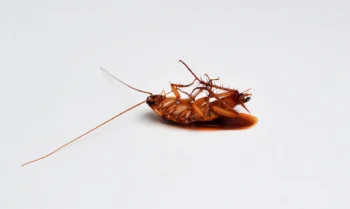
Cockroaches are notoriously unsanitary. They invade pantries, spread contamination across countertops, and crawl over cookware and utensils. Roaches carry numerous bacteria strains, parasitic organisms, and disease-causing pathogens that pose serious health risks.
With over 4,500 cockroach varieties worldwide, approximately 69 species exist throughout the U.S. Fortunately, St. Louis homeowners typically encounter only a handful of these species. Still, this small group of roaches can turn into a major headache fast.
For every single roach scurrying across your floor, countless others likely hide in walls, cabinets, and crawlspaces. Though they all scatter when you flip the lights on, distinguishing between species matters. It directly impacts which cockroach control products and methods will work best.
Here’s what St. Louis residents need to know about the most prevalent cockroach species in our region.
How to Identify Cockroaches
First, confirm you’re actually dealing with cockroaches. These pests are sometimes confused with beetles, crickets, or grasshoppers.
- Roaches feature wide, flat bodies equipped with lengthy antennae and prominent back legs.
- Tiny sensory hairs cover each of their six legs.
- While adult cockroaches possess wings that rest flat against their bodies, not all species actually take flight.
- A distinguishing characteristic is their shield-like pronotum, which is a plate positioned just behind the head.
- Coloring typically ranges from brown to black, and size varies dramatically from under an inch to several inches long.
These pests gravitate toward warm, humid spaces where food and moisture are accessible. Kitchens, bathrooms, basements, and cluttered storage areas make ideal hiding spots. They also squeeze into wall gaps, floor cracks, and furniture crevices.
Cockroach Species Common Across St. Louis
American Cockroaches
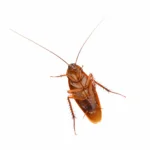
While less frequently encountered than German roaches, American cockroaches are the largest species invading St. Louis structures. Their lifespan extends up to two years, which is far longer than other roach types.
Often called “palmetto bugs,” their imposing size makes sightings particularly unsettling. They’re also mistaken for water bugs, and they originate in damp underground environments like storm drains and sewage systems before migrating into buildings.
Physical Characteristics:
- Oval body shape, reaching up to 2″ in length
- Reddish-brown coloring
- Six legs, two antennae, three body segments
- Yellow figure-eight marking behind the head
- Functional wings; capable of flight in warm temperatures
Preferred Habitats:
Though capable of infesting entire structures, American cockroaches naturally inhabit warm, humid outdoor environments. Outside, they populate flowerbeds and landscaping near foundations.
Inside your home, expect to find them in basements, laundry areas, bathrooms, and garages. Kitchens (especially behind appliances and beneath sinks) also attract them.
Behavioral Patterns:
Populations don’t multiply as quickly as German cockroaches, but infestations grow problematic when left untreated.
These roaches also emit aggregation pheromones, which are chemical signals that draw others to congregate, creating noticeable odors in heavily infested areas.
Health Concerns:
- Disease transmission: Campylobacter, Salmonella, Typhoid Fever, Listeriosis
- Allergic reactions: Saliva and pheromone secretions trigger skin irritation and respiratory distress
- Biting: Large populations may resort to biting, sometimes targeting eyelids due to attraction to dead skin cells; bites risk infection from bacteria
- Surface contamination: Direct migration from sewers brings fecal bacteria onto kitchen surfaces
German Cockroaches

Noticing tiny roaches in your St. Louis home? German cockroaches are the likely culprits. They’re exceptionally effective at spreading bacteria and contaminants throughout your space.
Significantly smaller than other species, they breed at alarming rates, making them notoriously difficult to control. A single female entering your home can generate over 30,000 descendants within twelve months. The female carries her egg case until hatching, which complicates treatment efforts significantly.
Physical Characteristics:
- Almond-shaped body, measuring ¼” to ½” long
- Light tan to brown coloring
- Six legs, two antennae, three distinct body segments
- Two dark parallel stripes running from head down the back
- Wings present but rarely used for flight except in high heat
- Nymphs small enough to pass through electrical outlet openings
Preferred Habitats:
German cockroaches thrive exclusively indoors, having adapted completely to human structures. As moisture-dependent pests, they concentrate in humid zones: bathrooms, kitchens, damp basements, and crawlspaces throughout St. Louis homes.
Behavioral Patterns:
Reproduction happens rapidly under favorable conditions. A single female’s lineage can explode into thousands within a year. Their eggs also demonstrate remarkable resistance to many pesticide treatments.
These roaches favor sweet substances: baked goods, toothpaste, wallpaper adhesive, and book binding glue all attract them.
Health Concerns:
- Disease transmission: Salmonella, E. coli, Shigella, Streptococcus, Staphylococcus
- Breathing problems: Allergens in droppings and shed exoskeletons trigger asthma, particularly in children
- Biting: Rare, but possible during severe infestations with limited food sources
- Surface contamination: Fecal matter and secretions quickly spread to food prep areas
Oriental Cockroaches
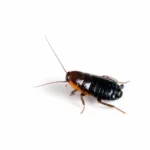
Frequently labeled “water bugs,” oriental cockroaches inhabit dark, moisture-rich locations hidden from human activity. Their regular travel through sewers and drainage systems makes them among the most contaminated roaches found in homes, and they emit a distinctive, unpleasant smell.
Their heavy dependence on water draws them to decaying organic material. Oriental cockroaches move more slowly and more clumsily than other species.
Physical Characteristics:
- Oval body, approximately 3/4″ to 1″ long
- Dark brown to glossy black coloring
- Six legs, two antennae, three body segments
- Males have shortened wings covering three-quarters of their body; females have almost no wings
- Flightless regardless of conditions
- Stocky, heavy build giving them a beetle-like appearance
Preferred Habitats:
Oriental cockroaches seek cool, dark, damp spaces. Unlike German roaches that gravitate toward kitchen warmth, this species prefers underground-like areas within structures.
Common indoor locations include wet basements, crawlspaces, floor drains, and areas near plumbing leaks. And outside, they flourish in mulch beds, beneath leaf accumulation, and within sewer infrastructure.
Behavioral Patterns:
Their sluggish movement makes them vulnerable. They frequently become stuck in smooth-surfaced sinks and bathtubs, unable to climb the slick vertical walls.
Health Concerns:
- Disease transmission: Crawling through sewage before contacting your surfaces makes them dangerous carriers of E. coli, Salmonella, and organisms causing dysentery and diarrheal illness
- Bacterial contamination: Their legs transport heavier bacterial loads than most other cockroach species
- Foul odors: Large populations produce strong musty smells that permeate living spaces
- Water supply risks: They frequently contaminate drains and standing water sources
Trust Bug Out for Expert Cockroach Control
Struggling to figure out what type of roach you’re dealing with? The trained technicians at Bug Out can inspect your property, identify the species, and develop a customized treatment plan to address your specific situation. Cockroach infestations present real challenges, but proven prevention and control solutions exist.
Bug Out has protected St. Louis homes and businesses from roaches for over 60 years. When you partner with our experienced team, we’ll implement a comprehensive pest control program that eliminates active infestations and prevents future cockroach problems.
Contact us today to get your free estimate!


