
Skip to content

Effective Ways to Prevent Ticks Near Your Property

Serving St. Louis | St Charles | Belleville | Edwardsville | Champaign

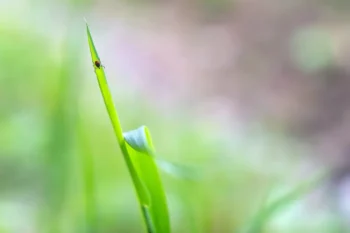
A tick crawling on a blade of grass in a Missouri yard.Key Takeaways:

  • Plant deer and wildlife-repelling vegetation such as lavender, sage, or daffodils to discourage animals that can carry ticks.
  • Install a two-foot-wide border of gravel or wood chips along your lawn’s edge to slow tick movement from nearby wooded areas.
  • Maintain short grass to reduce shaded, moist areas where ticks can hide and thrive.
  • Keep trash cans sealed and remove outdoor food scraps to prevent attracting deer, rodents, or other wildlife that may carry ticks.
  • Clear leaf piles, tall weeds, and yard debris to eliminate places where ticks can breed and take shelter.

Even a small number of ticks can pose a big risk. These pests carry bacteria and other pathogens that may cause serious illnesses, and their bites are easy to miss. Taking early preventive measures with guidance from Bug Out can make your yard healthier and more comfortable for everyone.

During the warmer seasons, tick populations in St. Louis tend to rise, increasing the likelihood of bites. Bug Out provides professional tick management services to effectively control infestations and keep your outdoor areas accessible and enjoyable.

Practical Tick Control Tips for Your Outdoor Spaces

Yard conditions vary, and these differences influence where pests are likely to appear. The arrangement of your space, the plants you grow, and nearby trees or woods all contribute. Taking a close look at your property helps identify the best strategies to keep pests under control.

Follow these tips to help make your yard less inviting to ticks:

  1. Maintain Short, Healthy Grass
  2. Create a Barrier to Limit Tick Movement
  3. Clear Leaves and Yard Clutter
  4. Limit Wildlife That Can Introduce Ticks
  5. Discourage Deer and Plant Deer-Repelling Vegetation

Tip #1: Maintain Short, Healthy Grass

Overgrown plants and dense foliage create ideal conditions for ticks, offering shelter, dampness, and hiding spots. Maintaining a tidy yard disrupts these environments and lowers tick activity. A clean, open yard also helps you spot any pests more easily.

How to Proceed:

  • Remove Seed, Fruit, and Nut Producing Plants: Get rid of plants that attract birds, rodents, and other wildlife that can bring ticks into your yard, helping reduce infestation risks.
  • Frequent Lawn Mowing: Keep grass consistently short, especially in play areas for children and pets, to minimize the damp, shaded spots that ticks favor.
  • Trim Shrubs and Trees: Regularly prune branches and foliage, particularly those hanging over patios or walkways, to remove potential hiding spots for ticks.
  • Clear Tall Grasses and Brush: Create a buffer zone of several feet between thick vegetation and your lawn to make it harder for ticks to move in.

Tip #2: Create a Barrier to Limit Tick Movement

Dense vegetation, leaf piles, and shaded spots create ideal conditions for ticks. Dry surfaces, such as gravel or wood chips, are areas they avoid, so adding these materials to your yard can act as a natural deterrent. Consider it a moat keeping ticks away from your main spaces.

Creating a defined edge between your lawn and nearby wooded areas further limits tick movement. By setting up this barrier, you reduce the chance of ticks entering patios, play areas, and other spots where your family and pets frequent.

How to Proceed:

  • Create a Buffer Zone: Identify the points where your yard meets wooded areas, stone walls, or thick vegetation. Dig a shallow trench roughly 1 to 2 feet wide along this perimeter to focus your barrier and protect your main outdoor spaces.
  • Choose the Right Material: Fill the trench with dry materials such as gravel or crushed stone to create a hot, dry surface that ticks are unlikely to cross. Wood chips or mulch can also be used if applied in a thick layer, but avoid fine organic mulches that retain too much moisture.
  • Maintain Cleanliness and Dryness: Keep the barrier clear by regularly raking away leaves and other debris that could provide shade or moisture for ticks. Make sure the area receives ample sunlight so it dries quickly after rain and remains an effective deterrent.

Tip #3: Clear Leaves and Yard Clutter

Ticks love to hide in piles of leaves, clippings, and other debris in your yard. By routinely clearing these spots, you can cut down on their population. This simple step also helps your lawn look neat and well-maintained.

How to Proceed:

  • Maintain Your Compost Pile: Regularly turn your compost to ensure proper decomposition, which produces heat that discourages ticks. Keep the pile in a location away from play areas for children and pets.
  • Rake and Remove Leaves: Leaf litter provides shelter for ticks. Clear fallen leaves from lawn edges and near wooded areas, and dispose of them promptly to reduce hiding spots.
  • Manage Grass Clippings: When bagging grass clippings, seal the bags and remove them quickly. If using mulch, spread a thin layer that dries fast and avoid leaving large piles where ticks can hide.
  • Dispose of Old Furniture, Tires, and Trash: Unused items can create dark, sheltered spaces that attract ticks. Remove them promptly to limit potential tick habitats around your yard.
  • Move Brush and Wood Piles: Brush and log piles create cool, damp areas where ticks thrive. Keep them away from your home and frequently used spaces, stacking them neatly so they dry thoroughly.

Tip #4: Limit Wildlife That Can Introduce Ticks

Because ticks cannot cover long distances alone, they depend on animals for transportation. Creatures like mice, voles, raccoons, opossums, and various birds frequently carry ticks into yards as they search for food or shelter. Being aware of these animal hosts can help you plan better prevention steps.

Taking measures to discourage wildlife and manage their access to your property can help limit tick infestations. This action reduces the likelihood of encountering dog ticks and lone star ticks, keeping outdoor areas more pleasant for people and pets.

How to Proceed:

  • Secure Food Sources: Store pet food indoors, keep trash cans tightly sealed, and remove any outdoor scraps that could attract wildlife such as raccoons or opossums.
  • Manage Rodent Populations: If mice or voles are present in large numbers, place snap traps in secure, covered stations away from children and pets, or consult a professional pest control service.
  • Eliminate Hiding Spots: Remove brush piles, old logs, and other yard debris where small rodents like mice and voles might nest or take shelter.

Tip #5: Discourage Deer and Plant Deer-Repelling Vegetation

Deer roaming close to your yard can directly affect tick activity. Adult blacklegged ticks, also called deer ticks, use deer as hosts and often carry Lyme disease. Having deer nearby makes controlling tick populations more challenging and unpredictable.

As these animals pass through lawns and garden beds, they leave ticks along the way. Both people and pets become more vulnerable to bites and the diseases that ticks may transmit.

How to Proceed:

  • Apply Deer Repellents: Use commercial deer repellents to keep deer away, especially formulas containing putrescent egg solids, coyote urine, or capsaicin. Reapply frequently, particularly after rainfall, to ensure continued effectiveness.
  • Install Fencing: A solid fence at least 8 feet tall provides the best protection against deer, though even shorter, well-kept fences can help. Plan the fence height and design based on your yard’s layout for optimal results.
  • Use Motion-Activated Sprinklers: These sprinklers safely startle deer and discourage them from entering your property. Place them along paths deer are likely to travel to maximize their deterrent effect.
    Plant Deer-Repelling Vegetation: Deer typically avoid plants with strong aromas, fuzzy foliage, or toxic traits. Incorporating these plants into your landscaping can make your yard less appealing to them and help reduce tick activity indirectly.
Deer-Repellent Plant How It Works
Daffodils Toxic bulbs and leaves
Sage Highly aromatic foliage
Yarrow Strong, aromatic leaves
Coneflower Rough, prickly texture
Peonies Unappealing scent and taste
Lavender Strong, distinct aroma

Take Back Your Yard from Ticks with Bug Out

Even careful maintenance of your lawn and garden can’t completely prevent ticks. These pests can persist despite regular yard work. If you notice ticks still appearing, professional intervention is the best way to address the problem.

Residents of St. Louis rely on Bug Out to manage tick populations. Our experts remove ticks from their source while keeping your family and pets in mind. We design a tailored approach for each yard to provide reliable, lasting results.

Get your outdoor space back under control. Reach out to Bug Out for an expert inspection!

Back to Flea & Tick Removal & Extermination Services in St. Louis, MO
Text 'BUGOUT' includes bug illustration; letters blend green and black.

Need Pest Control Service?

Leave your information below and we’ll be in touch with a FREE quote!

*During normal business hours. After hours calls will be returned the next business day.